Scientists measure the greenness of a landscape using light-reflection data gathered by weather satellites. Green plants tend to reflect the near infra-red wavelengths, but absorb red wavelengths for photosynthesis. Using near-infrared and red-wavelength data scientists calculate a "normalized difference vegetation index" (NDVI), where higher numbers represent greener landscapes. This measure provides a good reference for year-to-year change of the amount of tundra productivity over the past 25 years.
To better understand the trends in tundra productivity and how this might be related to the dramatic changes in sea ice that are occurring in the Arctic Ocean, Skip Walker from the University of Alaska and his colleagues have studied 25 years' worth of sea-ice data, summer land temperatures and NDVI values from the Yamal Peninsula, in north-west Siberia.
The Yamal region is an ideal place to understand NDVI because it is relatively flat and simple geologically, the vegetation structure is straightforward and it is a hotspot for Arctic land-cover change. What's more, there is a strong north-south climate gradient along which it is possible to study the effects of climate on greenness patterns.
By studying the satellite data the team found that there had been a 7% increase in NDVI over the Yamal Peninsula between 1982 and 2007. Over the same time period the researchers saw a 37% decrease in summer sea-ice concentration around the peninsula, and a 4% rise in summer land temperatures.
Previously Walker and his colleagues had hypothesized that the melting sea ice might be causing a rise in land temperatures and encouraging vegetation to grow but this appeared to be only part of the story on the Yamal peninsula. "The linkages between sea-ice decline, land temperatures and NDVI are not as strong on the Yamal as they are in other areas of the Arctic, which led us to examine other factors such as disturbance,"

 Cross-border migrations between Russia and China are among the most actual problems of contemporary Russia-Chinese relations. Their history and dimensions have been shaped by the neighbouring positions of the two states and also by objective economic factors. The social-political situation on either side the border has also played a crucial role in determining the character, direction and 'algorythm' of these migrations. Historically it came about that the main form of migrational interaction between Russia and China was the movement of Chinese into the spacious regions of the Russian Far East and Siberia. The specifics of this presence, its socio-demographic structure and its possible consequences require further research and analysis. One element of such an analysis is the exploration of the history of Chinese immigration into Russia, specifically into West Siberia. We should note that this subject has not been well studied, either by Russian or foreign scholars, because of its political sensitivity and the lack of access to sources.
 At the end of the nineteenth and the beginning of the twentieth century, there were only just over 40,000 Chinese in the region. Very few of them lived in the southern and western parts of this vast area. The situation changed significantly during the years of the First World War and the 1920s. Hundreds and then thousands of Chinese migrants attached themselves to the hitherto tiny islands of Chinese scattered in the large cities of Western Siberia. They were mostly contract workers on war-related projects and seasonal workers. A great proportion of them were entirely taken up with the problems of their own survival, while others were directly drawn into the internal Russian military conflicts caused by the revolutionary events of 1917 and the deep crisis in the country. These Chinese migrants were mostly people from the lower social layers. They voluntarily entered the international brigades of the 3rd and 5th Red Armies, which were active at the time on the Eastern front. They revealed themselves to be brave fighters, which caused them to be much detested by their opponents. It is known that brutal punishments of Chinese prisoners of war from the Red Army were carried out by Kolchak's troops. In the winter of 1918, for example, at the station of Tyumen, two hundred people had their clothes removed and were then sent off naked to a distant prison camp. Only forty of them survived.


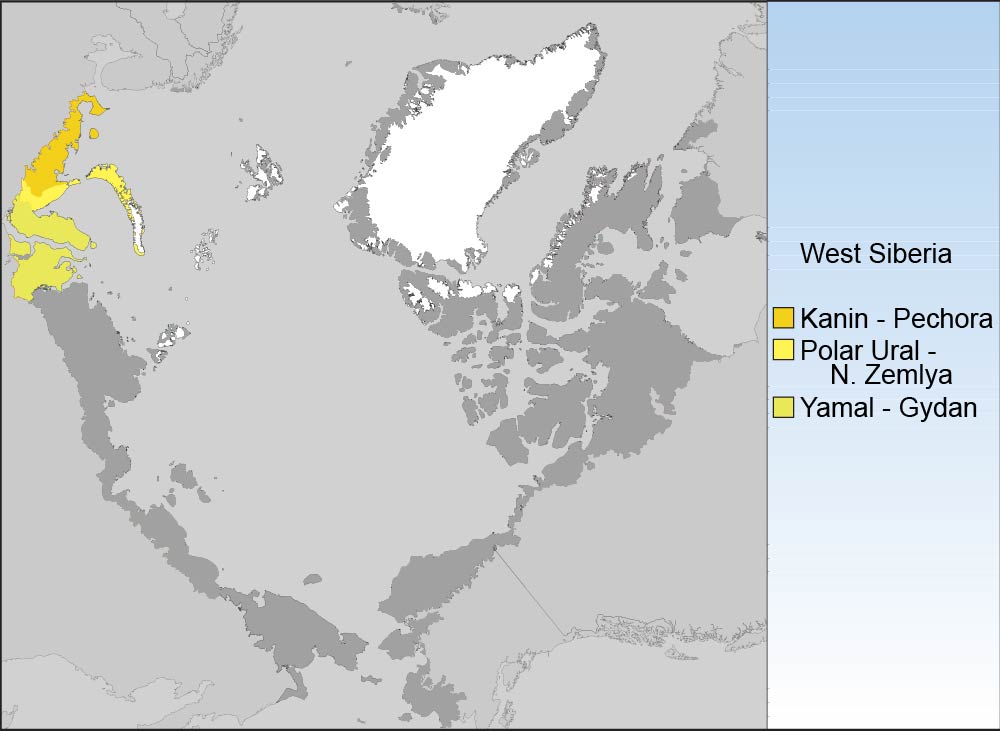


 Due to the fact that Northwestern Siberia is plenty of rivers and lakes, fish is a main part of the typical cuisine.


 As long as Gazprom relies on the Turkmen/independent supplier “gas bridge”, it is unlikely that exports to Europe, at least those under long-term contracts, will increase at all. Depending on how quickly Gazprom can get the Yamal fields on stream, there could be room for increased exports to Europe in the second part of the next decade, though any additional commitments are unlikely to be large. In 2006, major long-term contracts with European importers were renewed until 2030-3514; as west Siberian production declines, these contracts will be serviced increasingly from Yamal, limiting the volumes available for new contracts. Finally, Russia’s political willingness to expand exports to Europe beyond current levels remains unclear.

